What’s changing in the UK motor trade and what businesses should consider
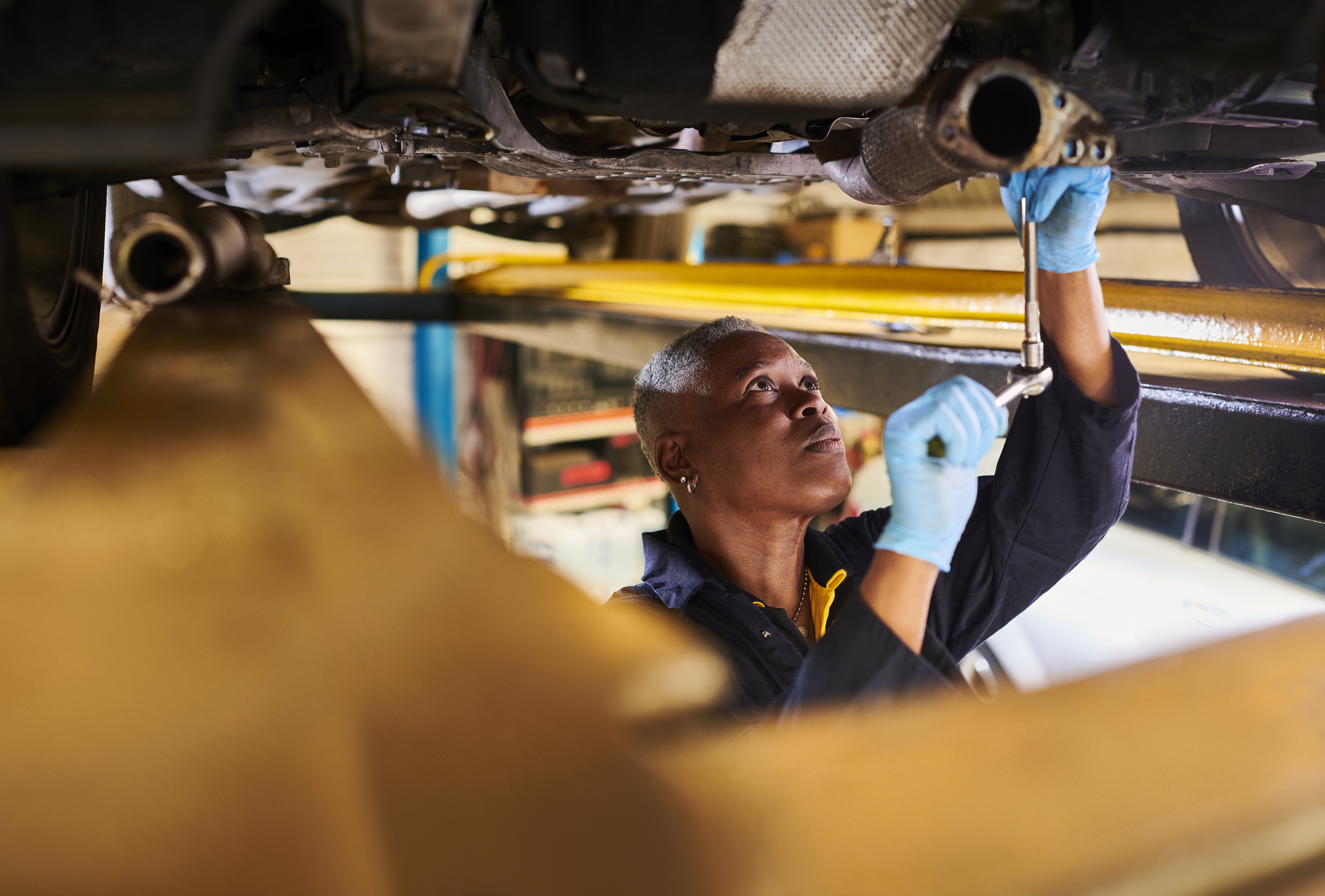
The UK motor trade is operating in a period of significant change. Rising operating costs, shifting customer expectations, the transition towards electric vehicles, artificial intelligence, and cyber risk are all changing how businesses across the automotive sector operate.
For dealerships, garages, workshops, MOT centres, and vehicle repair businesses, understanding these changes can help identify where day-to-day risks may be evolving, where processes may need to adapt and where existing arrangements may need to be reviewed.
Changing customer expectations in the motor trade
Dealerships are having to adapt to changes in the retail market and customer expectations. A number of franchised dealership sites have closed across the UK in recent months, with Car Dealer Magazine reporting that takeovers, tougher market conditions and rising employment costs are among the factors putting pressure on dealer networks.
Sustainability is also rising up the agenda, with many manufacturers expecting their dealer partners to align with Net Zero ambitions and improve climate-related reporting.
Despite the growth of digital channels, physical dealerships are still preferred by many customers. Research from Motor Trader indicates that 72% of new car buyers still want to see a car in person before making a purchase, particularly to view and test drive the vehicle. This shows that in-person discussions are still valued as a way of building trust, answering questions, and supporting after-sales relationships.
For motor trade businesses, this means the physical customer experience may still play an important role in conversion, retention, and long-term loyalty. As sales journeys evolve, businesses may also want to review how test drives, vehicle handovers, stock handling, and vehicle storage are managed day to day.
Technology, AI, and cyber risk in the motor trade
Digital technology is creating both opportunities and new forms of risk for the motor trade. By late 2025, nearly two-thirds of car dealers were using artificial intelligence in some capacity, according to research from Startline Motor Finance. AI is being used to support customer communications, improve operational efficiency, and streamline processes across sales and after-sales activity.
While online technology can benefit customers and businesses, it can also introduce new risks. Motor trade businesses may hold customer data, vehicle information, payment details, and operational records across multiple systems. Cyber threats, including ransomware, phishing, and data breaches, can lead to disruption, financial loss, and reputational damage.
This makes cyber awareness and basic digital controls increasingly important. Staff training, clear escalation routes, security software, regular system updates, and robust data handling procedures can all help reduce the impact of a cyber attack and support business continuity.
Electric vehicles and the changing aftermarket
The transition towards electric vehicles remains one of the most significant long-term changes facing the motor trade, yet progress continues to be uneven. Manufacturers are reportedly placing increasing pressure on dealers to sell more EVs, including through discounting and pre-registration activity.
Meanwhile, the growth of used EVs is presenting fresh challenges for independent garages and workshops.
As older technicians retire, many businesses face a shortage of staff with the high-voltage qualifications needed to service and repair the next generation of vehicles entering the aftermarket. This could affect garages, body shops, and workshops that need to invest in new equipment, training, and processes to work safely on electric and hybrid vehicles.
Businesses involved in vehicle sales, servicing or repair may benefit from reviewing their EV capabilities across skills, equipment, premises, and customer support. As electric vehicles become a larger part of the used market, changes to tools, charging facilities, and workshop processes may create new areas of exposure that need to be considered.
Planning ahead in a changing motor trade sector
The UK motor trade is facing a period of transition. While the challenges are significant, there are also signs of resilience across the automotive sector. For businesses that sell, repair, service, move or store vehicles, the ability to plan ahead, monitor risk, and respond to changing market conditions is likely to remain critical in the months ahead.
As business models evolve, it may be worth reviewing whether your current arrangements still reflect how your business operates day to day. That could include how vehicles are driven, where stock is held, how customer vehicles are managed, whether employees are covered for the right activities and how new risks such as EV infrastructure or cyber threats are being considered.
NFU Mutual’s Motor Trade Insurance is designed to support a variety of motor trade businesses, from vehicle dealers and agricultural machinery dealers to independent garages, workshops, and MOT test centres. The policy offers flexibility to choose cover that meets your business needs, helping you protect the vehicles, people, premises, and operations that matter to your business.
Speak to your local NFU Mutual agency office about Motor Trade Insurance and cover that reflects how your business operates.

Protect your motor trade business as it evolves
As technology, customer expectations and the types of vehicles you work with change, your insurance may need to change too. NFU Mutual’s Motor Trade Insurance offers flexible cover for businesses including dealerships, garages, workshops and MOT test centres.